
Simbie: Using AI to Solve the Problem of Physician Burnout
Physicians spend over 20 hours weekly on administrative work, contributing to burnout and less time with patients. Simbie AI Co-Founder and CEO Natalia Khosla explains how physician-first AI can reduce that burden and improve care.

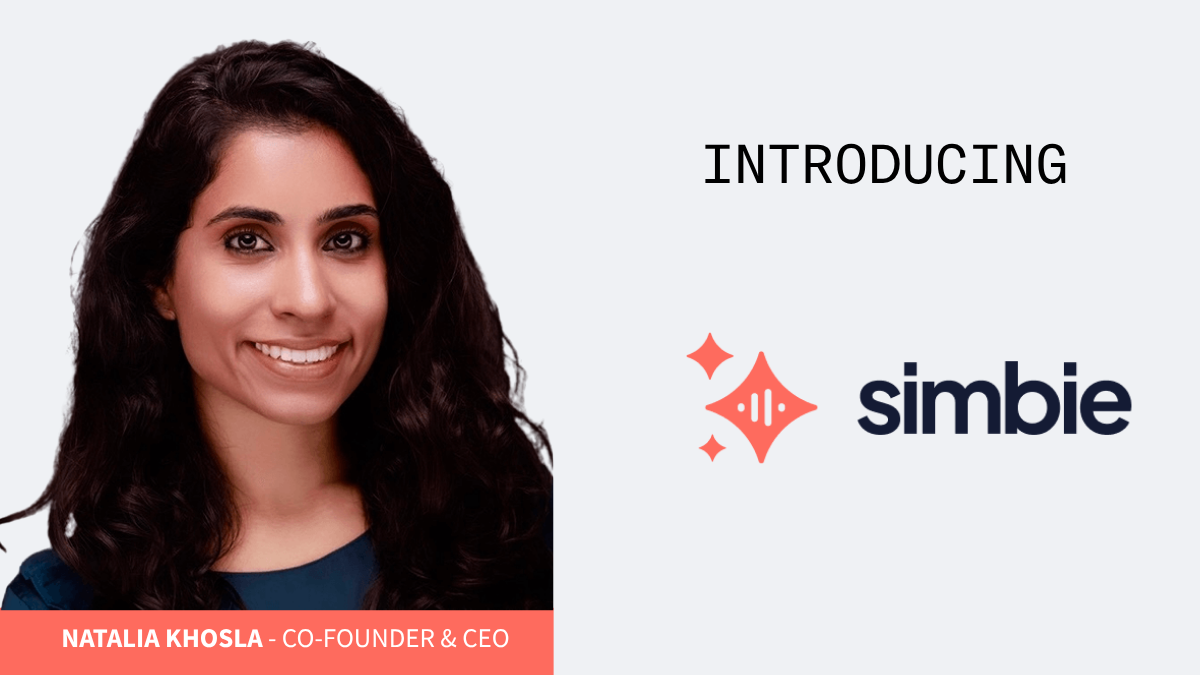
GUEST AUTHOR: Natalia Khosla, Co- Founder & CEO of Simbie AI
I grew up in a family of physicians. My parents are doctors. My grandmother was among the first women admitted to medical school in India. Medicine was a constant topic in our household, and from an early age I saw both the impact physicians can have on patients and the immense pressures they face.
Doctors spend more than 20 hours per week mired in the tedium of electronic health records (EHR) documentation, prior authorization requests, test-result follow-up, referrals, claims submission, and more. Consequently, the average primary care visit now lasts just 18 minutes.
This administrative burden takes a heavy toll on doctors and patients alike. Without ample face time and appropriate touchpoints in-between visits, 66% of patients leave doctors’ offices with unanswered questions, and patients adhere less to treatment plans, causing adverse health outcomes. Meanwhile, the attending personal and economic pressures on doctors contribute to a 42% burnout rate, a predicted 140,000 physician shortfall, and accelerating industry consolidation.
Can technology help solve this dilemma? Yes. But if healthcare practitioners agree on anything, it’s that they hate the tech they already use. When I was doing rotations at the University of Chicago hospitals, I saw the problem firsthand: too few healthcare technologies were built with providers' day-to-day realities in mind. Consequently, there is scant symbiosis between the priorities of providers, patients, and technology vendors.
When my co-founders and I established Simbie, we had a vision to change that, and to help doctors satisfy the “between visits” needs of patients: medication instruction, appointment scheduling, refill processing, lab and test results review, and other important but time-consuming tasks that bog down medical practices and frustrate patients.
Simbie is a human-like AI agent that calls and texts patients, and answers their inbound calls 24/7, making patients feel as if their provider has spent time with them in an informative and caring way. “That's the best AI I've heard," say patients. “It's almost as if you're a real person.” With Simbie, patients get the support they deserve, and medical practices increase their operational capacity by 25%, automating an average of seven hours of medical staff work, each day.
Simbie then goes further than any other AI healthcare player, actually making analysis decisions and treatment proposals for low-risk scenarios like thyroid lab tests, diabetes panels, and hypertension medication refills. It handles these high-volume, low complexity cases much like a nurse practitioner would, and routes its guidance to physicians for final approval. With an enormous amount of routine work eliminated, doctors can focus on the patients and cases that need them most—acute, complex, or life-threatening situations.
Critically, every Simbie interaction is recorded in data memory and in EHR records, capturing the ~50% of provider-patient interaction that occurs verbally and is never entered into EHR. This is creating the world’s first physician-in-the-loop, between-visit data training set for AI. Ultimately, Simbie will reliably make equal or better outpatient decisions as doctors themselves, enabling millions of autonomous care decisions and opening new opportunities to deliver and bill for care.
Since emerging from stealth in 2025, Simbie has been adopted by over 300 outpatient care practices, handling 29,000 patient interactions every month. We are on track to grow 33% this year as we race to onboard a 90 practice waiting list, representing an additional ~$7 million in revenue. 100% of our customer base came via inbound requests, mostly referrals from other physicians, without a dollar spent on sales.
The US Primary care market alone is worth $271 billion, part of a $1.6 trillion ambulatory care market, and growing as Baby Boomers age. To effectively deliver the interaction and attention that patients desire, healthcare providers need physician-friendly automation. With Simbie, we see an opportunity not only to relieve the unsustainable administrative burden physicians face today, but also to help them expand into underutilized areas like preventative care and longitudinal management of chronic conditions, improving outcomes for patients while creating stronger, more sustainable practices.