
AI-First Medical Technology Will Transform Healthcare and Save Lives
John Carroll, co-founder and co-CEO of Vexev, shares how AI-first, point-of-care medical imaging and autonomous robotics can enable earlier detection of vascular failure in dialysis patients, helping prevent life-threatening complications before they escalate.

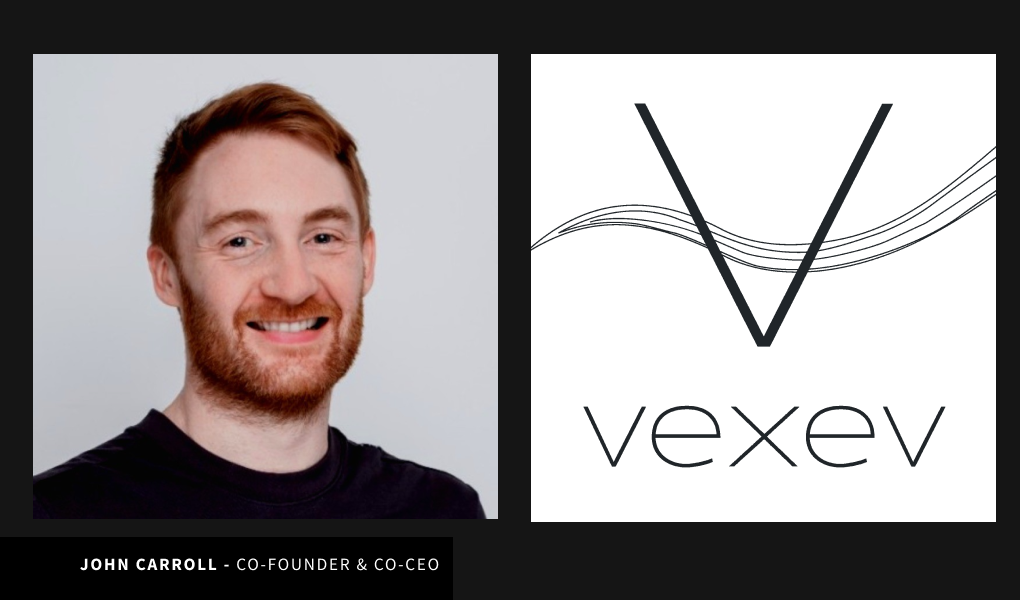
GUEST AUTHOR: John Carroll, Co- Founder & Co-CEO of Vexev
If a medical procedure had a nearly one in two failure rate, you might imagine that would be a clarion call for urgent improvement. And yet, of 100k-150k arteriovenous fistula (AVF) procedures that American kidney patients undergo each year, over 40% fail within one year.
AVF surgery connects an artery with a vein, creating an access site in patients’ arms for long-term blood dialysis. The resulting “fistula,” while initially life-saving, is prone to thickening, ultimately restricting blood flow, and preventing further dialysis. By the time doctors realize this, patients’ lives are often at risk, requiring expensive and risky emergency surgery.
“There must be some way to monitor the fistula,” you might be thinking.
And you are right. Hospital imaging procedures can identify fistula degradation. If caught early, relatively simple, outpatient procedures can clear blocked fistulas and maintain dialysis access. But medical imaging today is bound by pragmatism. It isn’t realistic to ask seriously unwell patients, who already endure five hours of dialysis every second day, to visit the hospital for regular, expensive scanning. And that is what it would take.
This is a problem that my co-founder, Dr. Eamonn Colley and I faced during our doctoral work in vascular fluid dynamics. We created 3D models of patients’ vascular systems to study blood flow patterns using ultrasound, which lacks the complexity and expense of MRIs. Fortuitously, we discovered that our system could detect disease progression with a little help from AI. And soon, we realized that this was the solution that nephrologists direly needed.
The next challenge, of course, was —”How do we do this at scale?” Our scans were performed manually, requiring time and expertise. We could never train technicians to duplicate that process reliably.
And so, with the help of Neotribe and other investors, our team built an autonomous, AI-driven arm scanning robot that is so simple and inexpensive to operate, a technician can perform fistula scans right in the clinic where patients already receive treatment, at the touch of a button, with minimal training. Images are uploaded to the cloud, where fistula blockage is identified before it becomes a serious problem.
This scanning system, dubbed the VxWave, addresses a total $5 billion market in the USA alone. And it comes at a time when multiple value-based healthcare programs incentivize nephrologists to reduce avoidable inpatient costs through early disease diagnosis. In a recent world-first study with the USA’s third-largest dialysis group, US Renal Care, the VxWave robot proved a resounding success, paving the way for adoption of systems like VxWave in America’s 7500+ dialysis centers.
Vexev’s vision does not stop at renal care, however. Future Vexev autonomous imaging robots may someday help predict and prevent heart attacks and strokes, too. While other AI companies retrofit their software solutions to support existing imaging hardware, Vexev views medical diagnostics from an AI-first perspective, building specialized point-of-care hardware that collects 1,000 times more data than current solutions. This unshackles diagnostics from the limits of traditional imaging systems, built for human interpretation, and allows AI to derive new insights from rich, detailed datasets.
We believe that we have the opportunity to turn the pragmatism of medical imaging on its ear, using medical robotics and AI to diagnose and predict disease more easily, accurately, and affordably than ever before. This will greatly benefit the entire healthcare ecosystem of patients, providers, and payers.